
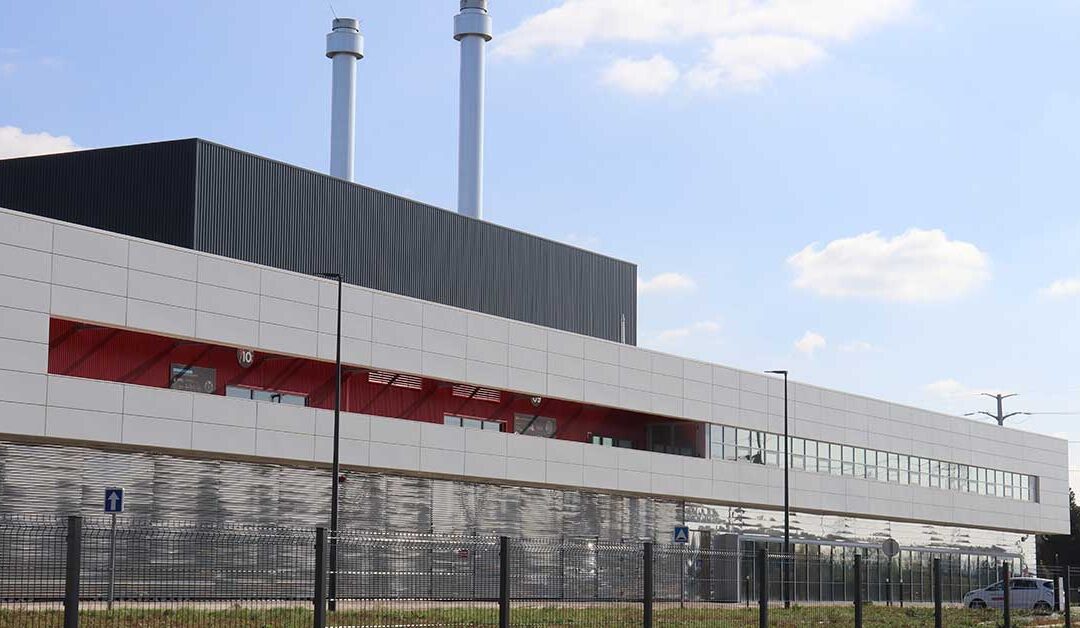
Warehouses and logistics hubs are prime targets for theft, vandalism, and unauthorised access. So, today we’re letting you know all about how monitored CCTV protects warehousing and logistics sites.
Article summary: TLDR
These sites often store high-value goods and operate around the clock, making them vulnerable when left unguarded or understaffed.
Break-ins can halt operations, damage stock, and delay deliveries. Remotely monitored CCTV provides warehouses with cost-effective 24/7 security, helping operators detect threats early, respond fast, and keep business moving without disruption or loss.
What is remotely monitored CCTV?
Remotely monitored CCTV is a security system where trained professionals based at a monitoring station deal with security threats to real-time, ready to act the second a threat is seen.
- Cameras detect movement and suspicious behaviour
- Alerts sent directly to a control room
- Operators review footage immediately
- Live audio warnings issued if needed
- Emergency services or key holders contacted
Altogether, this makes monitored CCTV for warehouses and logistics sites, an attractive measure to protect operations from the impact of crime.
How monitored CCTV protects warehousing and logistics sites
Operators don’t just watch—they act. From spotting intruders to stopping break-ins, CCTV monitoring keeps your site secure and your stock protected without needing guards.
Detecting intruders
Every warehouse has blind spots. Monitored CCTV ensures they’re not missed.
- Trained staff spot threats in real-time
- Movement triggers an instant visual check
- Suspicious activity verified within seconds
- Audio warnings stop intruders in place
- Verified incidents escalated without delay
Preventing break-ins
It’s an unfortunate fact that thieves target warehouses. Break-ins often start with perimeter checks or tampering.
- Operators track suspicious movement near fences
- Entry attempts caught before access is gained
- Sirens and lights triggered remotely
- Police contacted after incident verification
- Break-ins stopped before damage is done
Protecting stock from external threats
Goods in transit and storage need constant eyes on them:
- CCTV covers loading bays and vehicle areas
- Drivers and visitors monitored entering site
- Suspicious actions flagged and reviewed instantly
- Live deterrents reduce theft and interference
- Damaged goods avoided with faster responses
Securing site perimeters
Open spaces around warehouses often go unwatched.
- Thermal cameras scan perimeter zones at night
- AI flags unusual activity along fence lines
- Operators zoom in to verify behaviour
- Warnings issued when lines are crossed
- Breaches blocked before entry is gained
Peace of mind for site operators
You can’t be everywhere, but if you’re looking to improve your warehouse operation’s security, monitored surveillance is highly recommended.
Remote CCTV ensures someone is.
- Your site is watched 24 hours a day
- Alerts handled by experienced professionals
- No shift changes or missed patrols
- Incident logs and footage always available
- Risk is lower, stress is reduced
Related reading: A guide to CCTV monitoring
How does monitored CCTV protect warehousing and logistics companies? Examples
Now, lets take another look at how monitored CCTV protect warehousing and logistics companies.
Warehousing operation
At 3:40am, an individual is spotted walking along the fence line of a large distribution warehouse. He checks the back gate and attempts to lift it. The CCTV system detects motion, and the operator zooms in to verify.
A live audio warning is triggered: “You are being watched—leave immediately.” The man runs. The operator calls the site keyholder and local police. The area is checked, and no damage or loss is reported.
Logistics depot
During a quiet Sunday night, two people sneak into the rear yard of a logistics depot where delivery vehicles are parked. They begin checking vehicle doors and equipment trailers. Motion sensors activate cameras, and the monitoring team picks up the activity.
After confirming unauthorised access, the operator triggers audio alarms and calls the authorities. A unit is dispatched while the trespassers flee. Video evidence is downloaded, and depot managers are informed before the morning shift begins.
Conclusion: The benefits of remote CCTV monitoring for warehousing and logistics sites
Remotely monitored CCTV provides fast, focused protection that helps warehousing and logistics businesses stay secure without the overheads of on-site guards.
Operators respond instantly, catching intruders in the act, preventing theft, and maintaining operational continuity. With less risk, less downtime, and fewer losses, the benefits of a monitored CCTV system are clear—and the return on investment is hard to ignore.
Looking to learn more about how monitored CCTV protects warehousing and logistics sites?
Read our FAQs.
FAQs
What are the benefits of CCTV monitoring for logistics sites?
It helps catch intruders fast, prevent break-ins, and reduce theft or disruption. Operators monitor 24/7, respond immediately, and protect stock, vehicles, and site perimeters without needing guards.
Can CCTV monitoring stop warehouse break-ins?
Yes. If someone attempts to force entry, operators will spot the activity, issue live warnings, and contact emergency responders. Most intruders flee before reaching the door.
Is CCTV monitoring better than using on-site guards?
In many cases, yes. Monitored CCTV covers more ground, never sleeps, and often costs less. Operators act quickly and consistently, regardless of the time or weather.
Does CCTV monitoring help reduce insurance premiums?
Yes. Many insurers recognise monitored CCTV as an upgrade. It shows your site is proactively protected, which can lower premiums or help with claim approval.
How does monitored CCTV protect warehouse stock?
It keeps watch on delivery zones, storage areas, and loading bays. When something unusual is seen, operators intervene, before your goods are touched or tampered with.